IA · 3 November 2026 · 3 min read
Halting Unauthorized Copies: Anthropic Restricts Claude Code Against Video Game Clones
In brief: Anthropic has quietly updated the system prompts in Claude Code and its Opus 5.5 model to block users from replicating existing video games. The restriction responds to a surge in AI-powered retro decompilations and rapid indie game clones that exposed the company to severe copyright liability. However, the move has already triggered pushback from legitimate developers facing false positives.
by Team Mocchi's
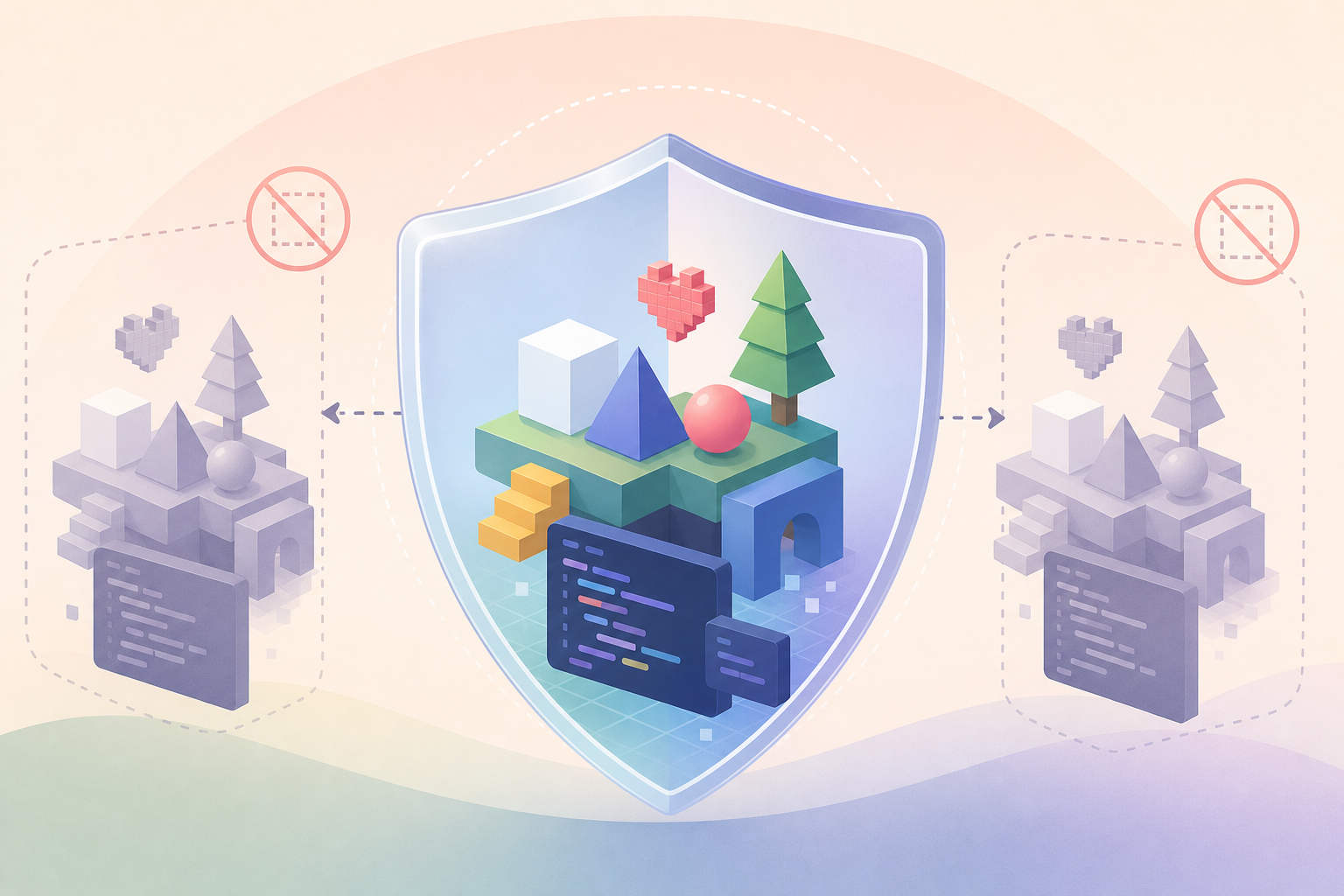
Two sentences in the prompt to halt recreations
The rampant spread of software duplicated in seconds by frontier models is beginning to force AI labs into defensive platform engineering. Anthropic recently rolled out an update across both its server configurations and the Claude Code binary, introducing a strict prohibition: the tool will no longer assist developers in recreating or cloning existing video games.
The restriction was first spotted in version 2.1.314 of the Claude Code tool under an internal configuration flag labeled tengu_heron_brook. The prompt directs the system to support original games, broader genre conventions, and titles built using assets provided directly by the user, while explicitly forbidding recreations of specific existing games—even if renamed or claimed to be original. As reported by The Verge, Anthropic software engineer Addy Osmani confirmed the change, explaining that two sentences were added to Claude Opus 5.5's prompt to ensure compliance with the company's intellectual property usage policies.
The decompilation wave and mounting copyright threats
Anthropic's intervention addresses a rapidly expanding trend across the programming community. According to Ars Technica, the retro-gaming and hobbyist development scenes have been inundated with automated decompilations, cross-platform ports, and instant game clones created by feeding disassembly code or video gameplay captures directly into generative coding models.
While hobbyists celebrate this as accelerated software preservation, major intellectual property holders—such as Nintendo, Sony, and indie studios—view it as systematic copyright infringement. Tasks that once required months of expert manual reverse engineering can now be approximated in mere hours. With potential public listing plans on the horizon and critical enterprise partnerships to protect, Anthropic chose to build preventive guardrails before traditional game publishers take these disputes to court.
False positives and the fragility of prompt-level policing
Yet the implementation highlights the inherent limits of prompt-based moderation. Issue reports have already surfaced on GitHub from developers building original prototypes, whose requests were rejected simply because their design specifications resembled well-known commercial game mechanics.
Furthermore, developers have noted that system prompt instructions remain easy to bypass through prompt rewording, obfuscated variable names, or iterative code generation. At the same time, this restriction applies only to Anthropic's hosted infrastructure; open-weight models and alternative platforms operate without such constraints, demonstrating the difficulty of policing copyright at the model API level.
Mocchi's take
Anthropic's clampdown indicates that the era of unfettered, automated code replication is colliding head-on with corporate copyright liability. For Italian enterprises integrating generative coding agents into everyday workflows, relying solely on upstream model safety guardrails creates a dangerous blind spot: teams risk dealing with false positives that stall legitimate work while maintaining an unjustified sense of legal compliance. Engineering teams must establish internal governance pipelines and provenance tracking for generated software, ensuring clear boundaries between architectural reference and the automated infringement of third-party assets.