Software · 24 November 2026 · 4 min read
Anthropic Launches Claude Ship: AI Agents Can Now Fix, Test, and Approve Code Changes
In brief: Anthropic has introduced Claude Ship, a new suite engineered to automate the software review and deployment workflow on GitHub. Moving beyond passive code suggestions, the platform deploys agents capable of repairing failing CI builds, untangling merge conflicts, and autonomously approving routine pull requests under customizable team policies. The release aims to eliminate the severe developer bottlenecks created by the rapid rise of AI-assisted programming.
by Team Mocchi's
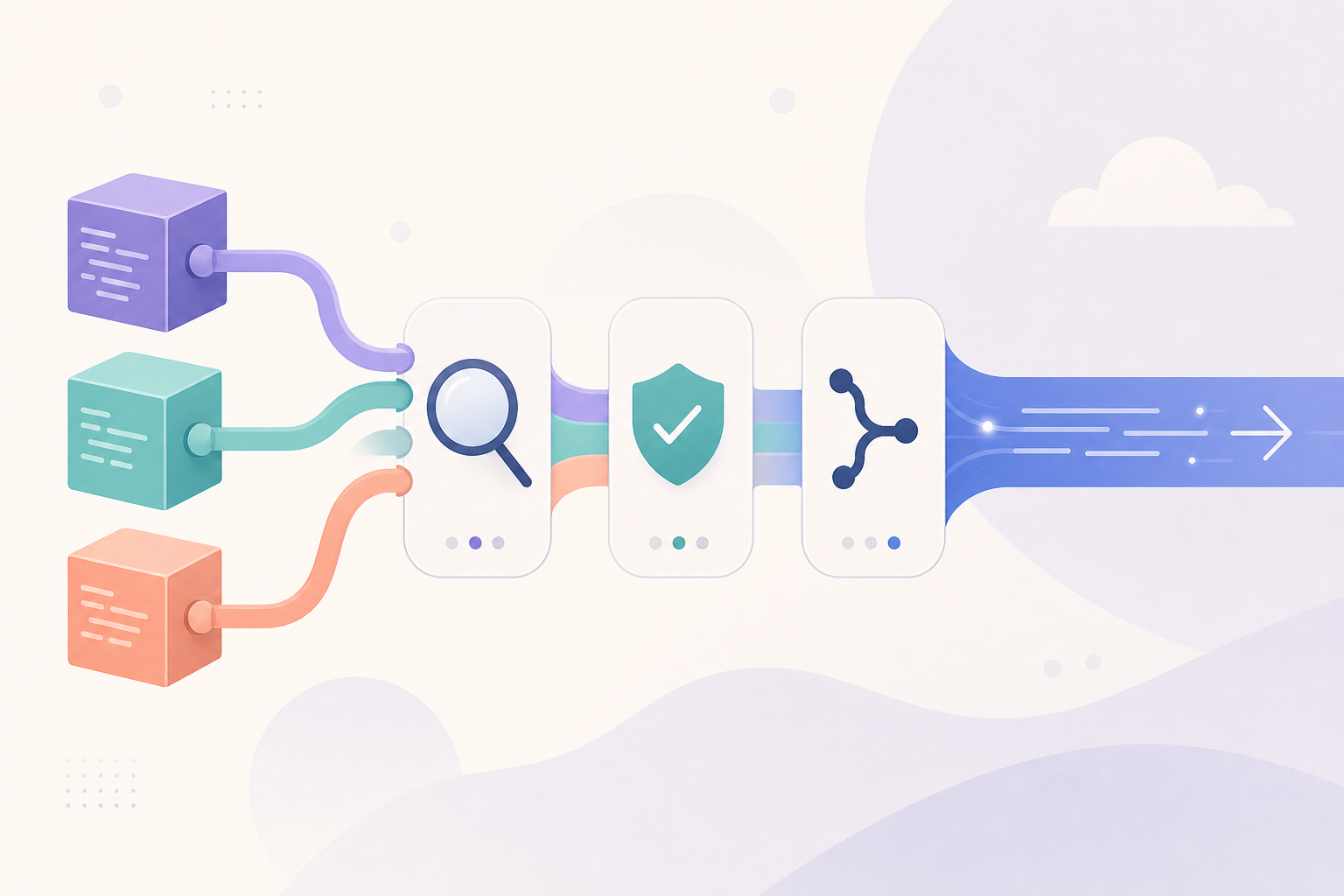
Over the past two years, large language models have dramatically sped up the rate at which software engineers produce code. That acceleration, however, created a new downstream bottleneck: engineering teams now find themselves flooded with open pull requests, waiting on senior staff to read, test, and authorize changes before merging them into production. In response to this friction, Anthropic announced the launch of Claude Ship, a suite engineered not merely to draft syntax, but to govern the release process itself.
From Code Generation to Release Governance
Until now, most developer-facing AI tools focused on autocomplete and localized linting. As reported by TechCrunch, the notable shift in Claude Ship is the transfer of operational decision-making to synthetic agents. Anthropic acknowledged this shift in its release materials: within the internal team building Claude Code, the model already writes the majority of new code, making manual reviews on routine pull requests an unsustainable hurdle to delivery speed.
Currently offered to Claude Team and Enterprise customers with native GitHub integration, the product expands on the existing Code Review capability (generally available since October) by introducing two new beta agents: PR Steward and Claude Approvals.
PR Steward and Claude Approvals: Anatomy of an Autonomous Pipeline
The first agent, PR Steward, functions as a persistent repository maintainer. As detailed by The Verge, the agent steps in automatically when Continuous Integration runs fail, resolves git merge conflicts, and addresses feedback raised by human reviewers or automated linters. Crucially, it leaves a documented trail on every push, detailing exactly what was altered and providing clear rollback commands should an unexpected side effect arise.
The deeper operational shift, however, comes with Claude Approvals. This agent enables engineering leads to define natural-language policies and custom classifiers, permitting the system to autonomously approve routine pull requests. Configuration updates, minor dependency bumps, or straightforward patch releases can now be merged directly into the codebase without tying up human review bandwidth.
Governance, Guardrails, and Technical Trust
Granting software agents the power to approve production code naturally raises governance and compliance concerns. Entrusting merge permissions to an algorithm demands an organizational confidence that companies in strictly regulated spaces, like finance or healthcare, do not grant lightly. Anthropic has structured Claude Approvals with granular permission boundaries: engineering managers can strictly cordon off critical infrastructure, ensuring that changes to cryptographic algorithms, data persistence layers, or authentication logic still mandate manual human sign-offs.
Yet, this transition makes one operational reality clear: an autonomous approval system is only as reliable as the testing suite backing it. Without comprehensive, rigorous automated test coverage, an approving agent risks simply expediting the deployment of silent regressions.
Mocchi's take
We see Claude Ship as the logical next chapter for modern engineering: generating code has become cheap and fast, but verifying and integrating it remains an expensive organizational burden. For development agencies and IT departments building custom software, offloading mundane git conflicts and failing CI triage to supervised agents offers immediate efficiency gains. However, we believe a strict technical boundary remains essential: no AI agent should ever be granted merge privileges without uncompromising automated test suites and ironclad observability pipelines in place.