IA · 12 October 2026 · 3 min read
Apple Enlists Huxe AI Team in ‘Reverse Acqui-Hire’ to Challenge Google’s Audio Lead
In brief: Apple has disclosed an agreement with generative audio startup Huxe AI to the European Commission, extending employment offers to its core technical team and securing a non-exclusive license to its intellectual property. Huxe was founded by the developers who created the viral synthetic podcast feature in Google NotebookLM. The transaction follows the increasingly popular 'reverse acqui-hire' framework, allowing big tech firms to absorb top-tier AI talent and patents while avoiding full-scale merger scrutiny.
by Team Mocchi's
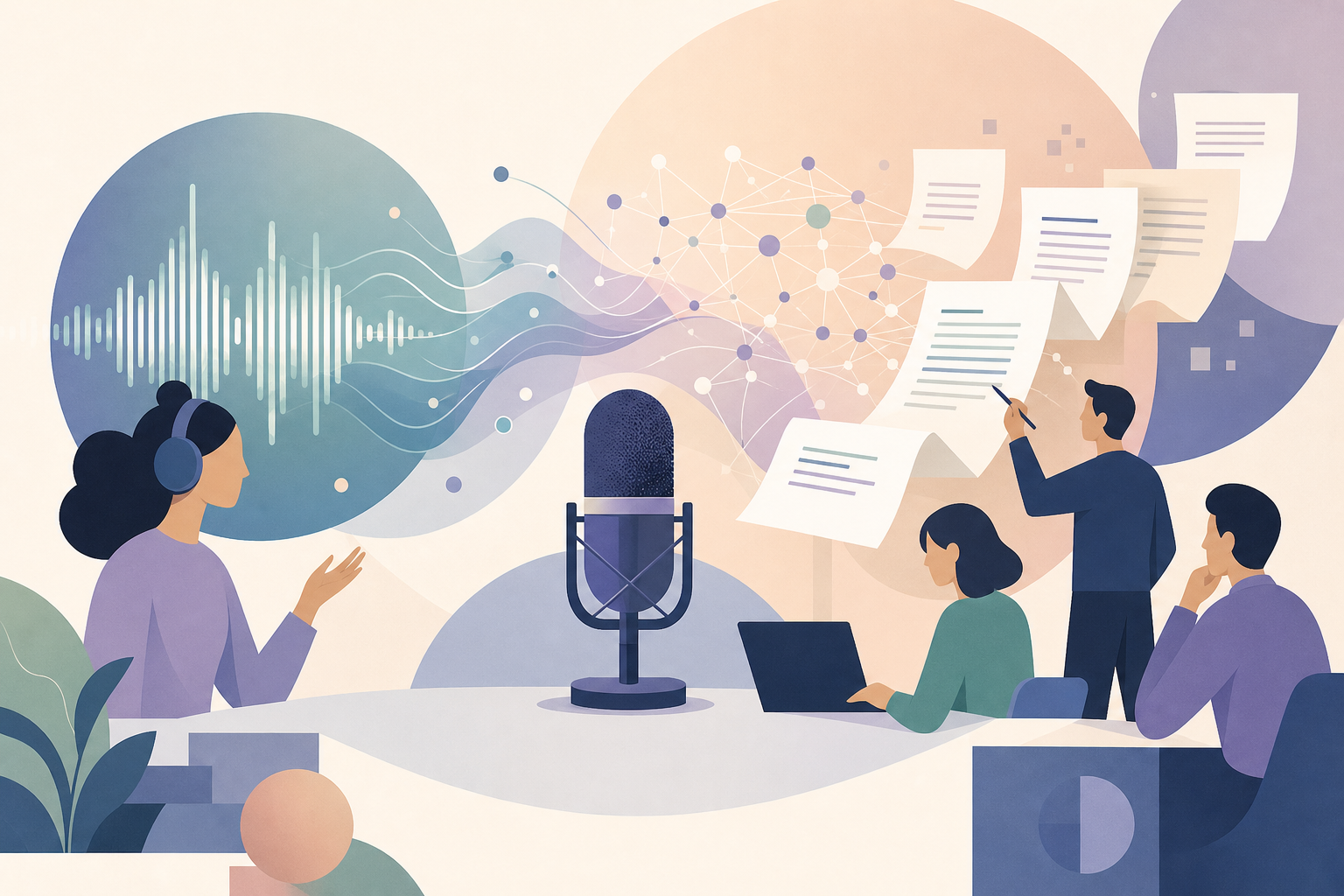
In a strategic bid to accelerate its synthetic audio capabilities, Apple is bringing in the engineering minds behind one of generative AI's most viral audio breakthroughs. In a formal regulatory disclosure submitted to the European Commission, the Cupertino giant confirmed an agreement to offer employment to key engineers from Huxe AI and license the startup's intellectual property on a non-exclusive basis.
The maneuver, initially uncovered in regulatory records and detailed by TechCrunch, adopts the playbook of the so-called reverse acqui-hire. It is the exact approach previously deployed by Microsoft with Inflection AI, Amazon with Adept, and Google with Character.AI: rather than acquiring the startup through a conventional buyout, the tech incumbent hires its principal technical talent and licenses its core assets, leaving the corporate entity behind to avoid triggering mandatory antitrust merger reviews.
From NotebookLM’s Viral Audio to Cupertino’s Labs
Huxe was founded by researchers and developers who originally built the conversational audio podcast capabilities within Google NotebookLM (recently rebranded as Gemini Notebook). That feature gained widespread attention in late 2024 by transforming dense text and unstructured research notes into fluid, realistic dialogues between two synthetic hosts, complete with pauses, conversational banter, and convincing intonations.
After raising capital to launch its independent application, Huxe unexpectedly announced in late May that it was winding down operations, removing its products from mobile app stores and deleting user data. The subsequent filing with European regulators reveals what took place behind closed doors: the specialized team responsible for pioneering audio generation is now transitioning directly into Apple’s AI hardware and software teams.
Regulatory Scrutiny Tightens Around AI Talent Swaps
While the financial terms of the arrangement have not been disclosed, Apple’s decision to proactively file with Brussels highlights how closely antitrust watchdogs are now examining the sector. In prior years, talent absorption and non-exclusive licensing arrangements flew largely under the radar because they skirted the asset and revenue thresholds required for standard merger inquiries.
Both the European Commission and the U.S. Federal Trade Commission have recently signaled that structured talent deals will no longer receive a free pass, scrutinizing whether they effectively serve as covert takeovers that bypass market competition. For Apple, absorbing Huxe’s proprietary methods offers an immediate boost to Apple Intelligence, setting the stage for customizable spoken-word briefings across Notes, Apple News, and personalized audio formats inside Apple Podcasts and Siri.
Mocchi's take
Apple's maneuver confirms that in the current phase of the AI cycle, highly specialized domain execution and user experience matter far more than raw foundation model size: turning complex knowledge into seamless conversational audio is where real user engagement happens. For European software teams and tech enterprises, this signals that natural generative audio interfaces are fast becoming the default interaction model across mobile and desktop workflows. As we architect intelligent systems, building flexible audio and multiformat delivery into enterprise data pipelines is becoming essential, even as regulators ensure that large-scale talent consolidation faces greater legal friction.