Tech · 12 October 2026 · 3 min read
Apple Prepares HomeView: The A18-Powered Smart Display Aimed at Conquering the Home
In brief: Apple is set to announce HomeView, a dedicated smart home hub powered by its A18 chip and an updated on-device Siri assistant. Arriving in both countertop and wall-mountable variants, the device represents the company's boldest push yet to challenge Amazon and Google in home automation, backed by refreshed Apple TV and HomePod mini hardware and an industrial tie-up with LG.
by Team Mocchi's
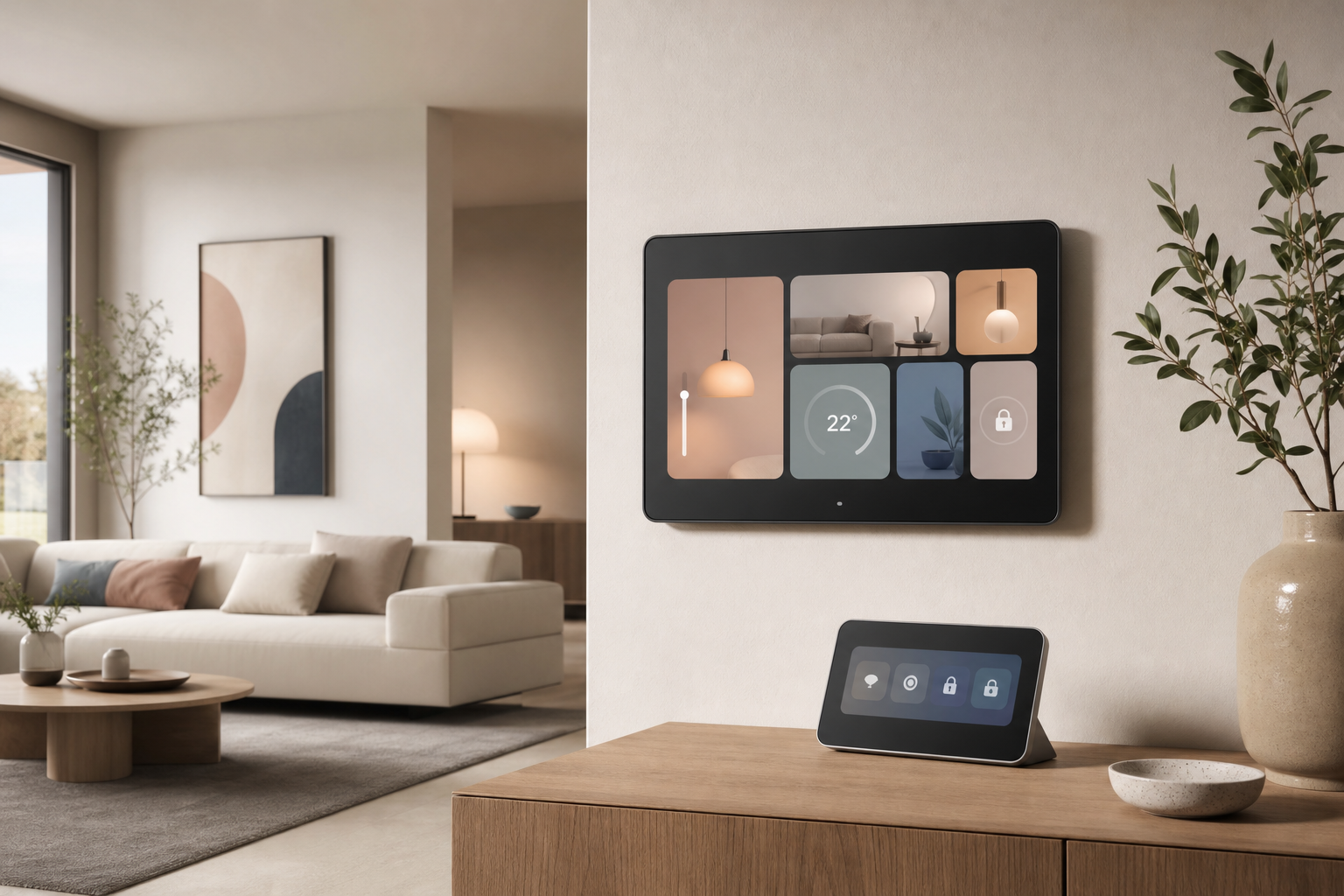
A Fresh Bid for the Living Space: HomeView Arrives
For more than a decade, Apple's footprint in the smart home space has struggled to match its influence in mobile computing. While HomeKit earned praise among privacy-conscious users for its strict encryption standards, widespread adoption was constrained by high hardware prices and the lack of a dedicated screen. The HomePod speaker line, while audiophile-focused, could never match the mass-market ubiquity of cheaper alternatives from competitors.
Cupertino now appears determined to realign its living room strategy around a dedicated visual hub. As reported by TechCrunch, citing disclosures from Bloomberg's Mark Gurman, Apple will unveil a new product line dubbed HomeView. Scheduled for a Tuesday debut, the announcement concludes more than two years of internal prototyping and signals Apple's formal entry into the smart display market long led by Amazon's Echo Show and Google's Nest Hub.
High-End Silicon and Dual Form Factors for Counter and Wall
Under the hood, HomeView relies on the A18 processor—the same modern architecture deployed across recent iPhones to handle on-device Apple Intelligence workloads. Bypassing low-power microcontroller silicon in favor of a full mobile system-on-a-chip indicates that Apple intends to process spoken commands, ambient sensor data, and automation graphs entirely locally, minimizing cloud round-trips and response latency.
The hardware is expected to launch in two distinct physical configurations. One model is designed with a tabletop stand for countertops and desks, tailored for quick widgets, kitchen timers, appliance control, and FaceTime video calls. The second iteration is engineered specifically for clean wall mounting, serving as a dedicated architectural controller for entryways, hallways, and living areas.
With on-device intelligence driving Siri, HomeView is set to process multi-turn home automation queries, surface real-time feeds from security cameras, and seamlessly orchestrate connected peripherals running on the Matter interoperability framework.
The LG Alliance and an Overhauled Home Lineup
Apple is not positioning HomeView as an isolated experiment. Alongside the primary smart display, Tuesday's event will reportedly showcase refreshed iterations of two companion ecosystem devices: the Apple TV media box and the entry-level HomePod mini, each upgraded with modern wireless connectivity and processing silicon to act as local Matter network coordinators.
Equally significant is a hardware manufacturing partnership with South Korea's LG. Apple plans to introduce co-developed first-party home appliances, including intelligent door locks, thermostats, and connected video doorbells built to integrate directly with Apple's secure home framework. Tackling these high-friction entry points alongside an established industrial manufacturer addresses a historical pain point: the lack of polished, hassle-free accessories for core home automation functions.
Mocchi's take
For teams building custom software, building management tools, and commercial IoT integrations, Apple's rollout of an A18-equipped terminal marks a welcome structural shift. Placing desktop-class neural silicon directly on a physical room interface makes on-premise voice reasoning genuinely practical, removing latency bottlenecks and corporate data transmission concerns. The introduction of an official wall-mounted form factor, paired with LG's hardware manufacturing muscle, provides integrators with a reliable enterprise-grade control panel that bypasses the fragility of consumer tablets. For software engineers, the central opportunity will be building custom dashboards and business logic that leverage local device compute while staying deeply linked with open industrial protocols.