Software · 4 August 2026 · 4 min read
AWS and Superblocks bring vibe coding to private clouds: an enterprise solution against Shadow IT
In brief: Amazon Web Services has entered a multiyear strategic partnership with startup Superblocks to integrate AI-driven software development directly inside enterprise private cloud environments. The agreement allows employees to build internal applications using natural language while keeping all databases and model queries strictly contained within the organization's AWS account. The initiative bridges the gap in low-code workflows by combining rapid user-driven prototyping with enterprise-grade governance and security.
by Team Mocchi's
From vibe coding to enterprise realities
Over recent months, "vibe coding" — the practice of building functional software simply by conversing with AI agents — has reshaped how non-technical workers and developers prototype digital tools. However, the rapid adoption of consumer-facing AI coding tools has triggered serious concerns among corporate IT and security departments.
When business teams use standalone AI generation tools, they frequently create applications outside IT oversight. Proprietary enterprise data is often funneled to external model providers, while newly generated tools rely on third-party databases hosted outside the company’s secure perimeter. This surge in Shadow IT has led many organizations to restrict or prohibit AI-assisted creation to prevent data leaks and regulatory non-compliance.
A locked-down architecture in the AWS private cloud
To resolve this tension, Amazon Web Services has entered a multiyear partnership with Superblocks, a startup focused on AI-assisted internal software creation. As reported by TechCrunch, the deal embeds the Superblocks platform directly into AWS enterprise private cloud environments.
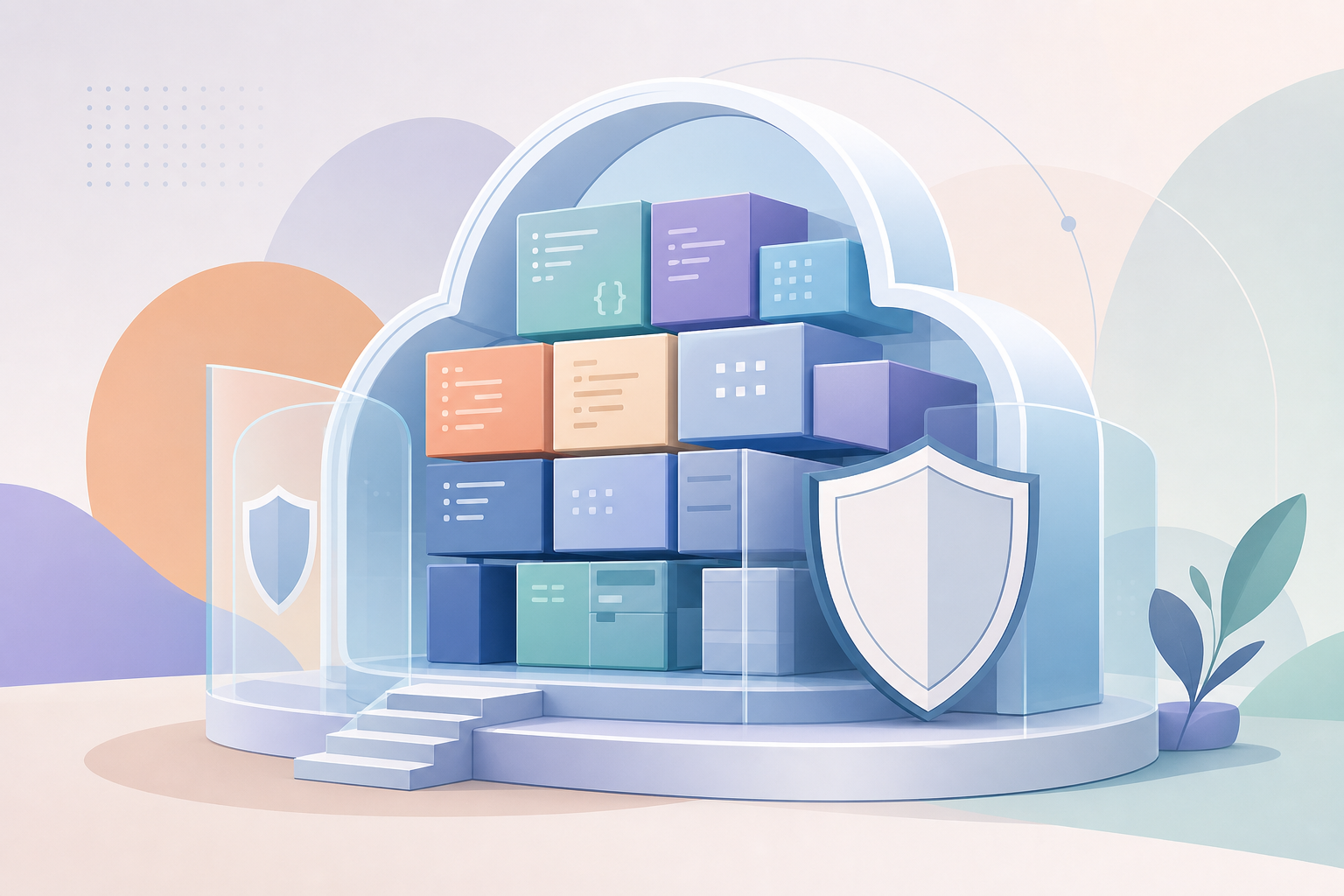
The key architectural innovation centers on data containment. When an employee prompts the tool to create a custom dashboard or workflow, the system does not provision external databases on third-party cloud platforms. Instead, it automatically provisions managed Amazon Aurora databases within the customer's private AWS account. Furthermore, all AI queries route through Amazon Bedrock, ensuring that prompt data and corporate context never leave the secure boundary of the enterprise network.
Filling a critical gap in Amazon's AI lineup
This partnership addresses a clear strategic requirement for AWS. While Amazon previously introduced developer-focused AI tools like Kiro and assistant tools like Quick, it lacked a dedicated vibe-coding environment designed specifically for business users in finance, operations, or HR to safely build custom internal software.
According to analysis from TechCrunch, the agreement gives Superblocks — a 50-person startup that has raised $60 million from investors including Spark Capital and Kleiner Perkins — direct co-selling distribution through the AWS Marketplace. For AWS, it offers an immediate pathway to capture enterprise demand for user-driven automation without having to build a dedicated low-code agent from scratch.
Security and governance for modern IT teams
The primary benefit of this hybrid approach is the elimination of friction between business agility and enterprise governance. Applications generated through the integrated setup automatically inherit the organization's existing security policies, IAM access controls, network configurations, and encryption standards.
Rather than constantly auditing or blocking unsanctioned AI tools, enterprise IT leaders can now empower internal teams with self-service capabilities while remaining confident that auditing, access management, and compliance standards (such as GDPR) remain intact by default.
Mocchi's take
The partnership between AWS and Superblocks signals the transition of vibe coding from informal experimentation into governed enterprise architecture. For Italian companies navigating digital transformation, this shift confirms that AI productivity does not have to come at the expense of data sovereignty or security compliance. Allowing business units to automate their workflows independently — while keeping data storage and compute strictly inside private cloud infrastructure — represents the sustainable path for enterprise AI adoption. At Mocchi's, we believe this architecture sets the standard for modern internal tool development: empowering non-developer teams without compromising IT governance.