IA · 16 November 2026 · 4 min read
From Multi-Day Road Trips to Booking Calls: Google Maps Turns Ask Maps Into an Everyday Agent
In brief: Google has rolled out a major upgrade to Ask Maps, the Gemini-powered conversational feature embedded in its navigation service. Moving beyond simple question answering, the tool can now generate multi-day trip itineraries, dynamically adapt routes in real time, and place autonomous phone calls to local businesses to confirm availability and schedule appointments.
by Team Mocchi's
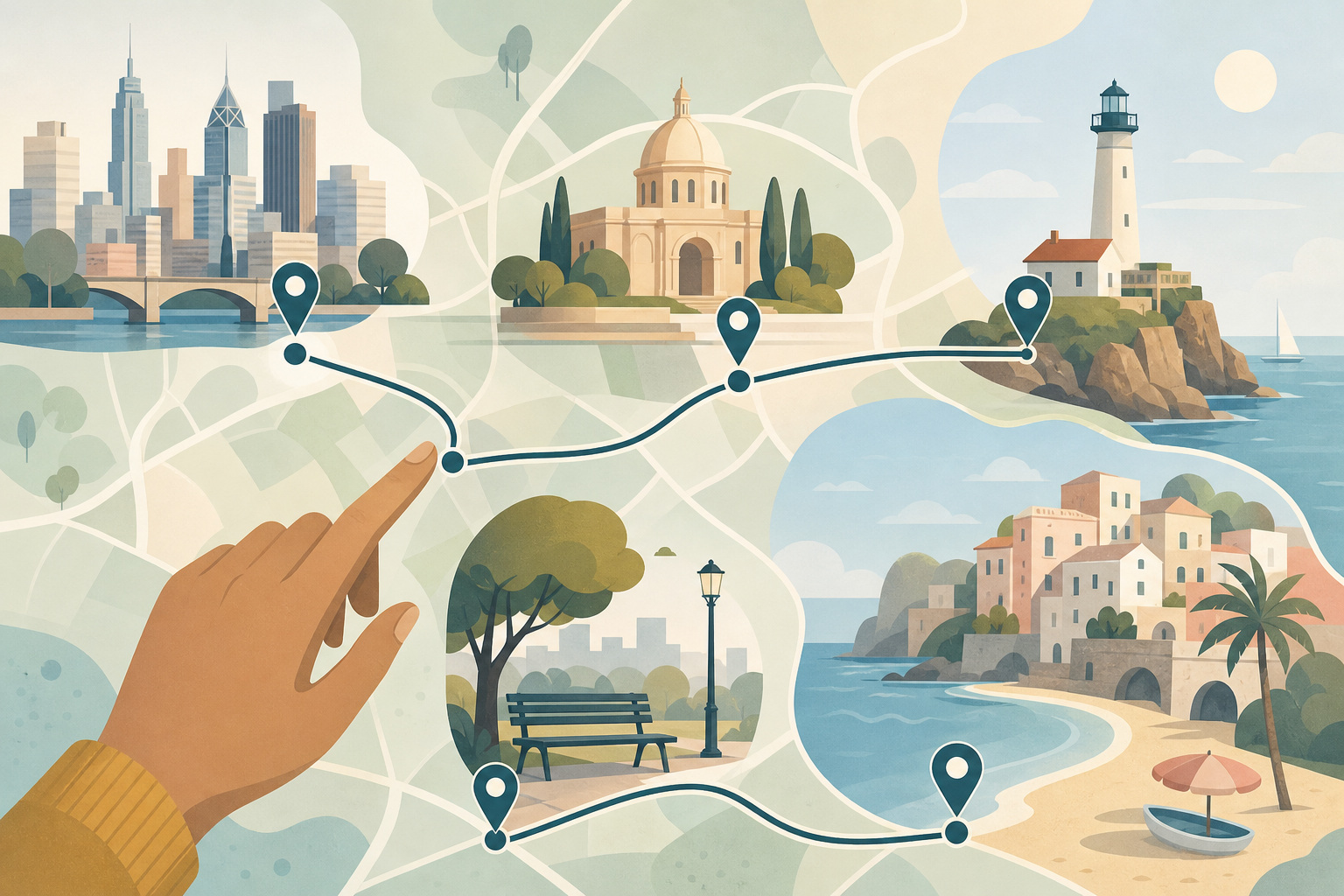
The shift across consumer technology from basic chatbots to task-oriented autonomous agents is officially arriving in one of the most widely used mapping platforms in the world. Google has rolled out a major set of capabilities for "Ask Maps," the conversational interface powered by Gemini integrated directly into its navigation application. The update expands the service well beyond basic route finding and nearby spot lookups, transforming it into a full-fledged trip planner and delegated concierge for everyday errands.
As reported by TechCrunch, the release reflects a broader strategic pivot across the technology sector: repositioning generative models not merely as conversational endpoints, but as reliable assistants capable of executing multi-step tasks on behalf of users within software they already rely on daily.
Dynamic Multi-Day Itineraries and Real-Time Routing
The central pillar of the update is autonomous itinerary creation. By entering natural language prompts, users can instruct the application to structure single-day outings—such as a holiday shopping afternoon—or complex multi-day journeys, like a coastal road trip complete with trail hikes and scenic dining. Ask Maps formats the proposal into a day-by-day timetable, populating the visual map with numbered route pins and contextual recommendations.
According to The Verge, generated plans remain organized under a dedicated itinerary badge in the user's chat history, ready to be exported to Google Docs on desktop or shared directly with friends and family. Crucially, the plans do not stay static: Ask Maps monitors dynamic factors such as road traffic, operating business hours, and location atmosphere in real time. If travelers decide to divert en route, they can ask the model to splice in a scenic viewpoint or lunch stop, and the schedule recalculates automatically without forcing a manual redesign of the entire route.
Autonomous Business Calls and Local Booking
Beyond leisure travel, Google is applying these agentic workflows to local commerce and professional services. Ask Maps can now locate service providers and coordinate appointments across everyday verticals, including automotive repair, pet grooming, salon visits, and home maintenance.
Most notably, the agent is authorized to place direct phone calls to local establishments on the customer's behalf to confirm scheduling windows and verify specific openings. This capability scales Google's longstanding voice automation research into an everyday operational feature, bridging the gap between digital discovery and real-world commercial transactions.
Mocchi's take
The transformation of Google Maps highlights how consumer search is migrating toward agentic brokers that act on user intent. For European businesses, particularly in hospitality, local retail, and on-demand professional services, digital presence will no longer depend solely on traditional web visibility or reviews, but on providing machine-readable structured data, live schedule endpoints, and responsive communication channels. Organizations that fail to keep their operational parameters transparent to autonomous agents risk becoming invisible before a human customer even opens a menu.