IA · 8 July 2026 · 3 min read
The Rise of Muse Image: Meta's New AI Generator Sparks Instagram Privacy Backlash
In brief: Meta has unveiled Muse Image, its first visual AI model developed by its Superintelligence Labs division. Deeply woven into Instagram and WhatsApp, the model allows users to generate images incorporating the likeness of other public accounts by simply tagging them. The choice to make this feature opt-out by default, combined with a total absence of notifications for affected users, has triggered swift criticism over digital identity and personal privacy.
by Team Mocchi's
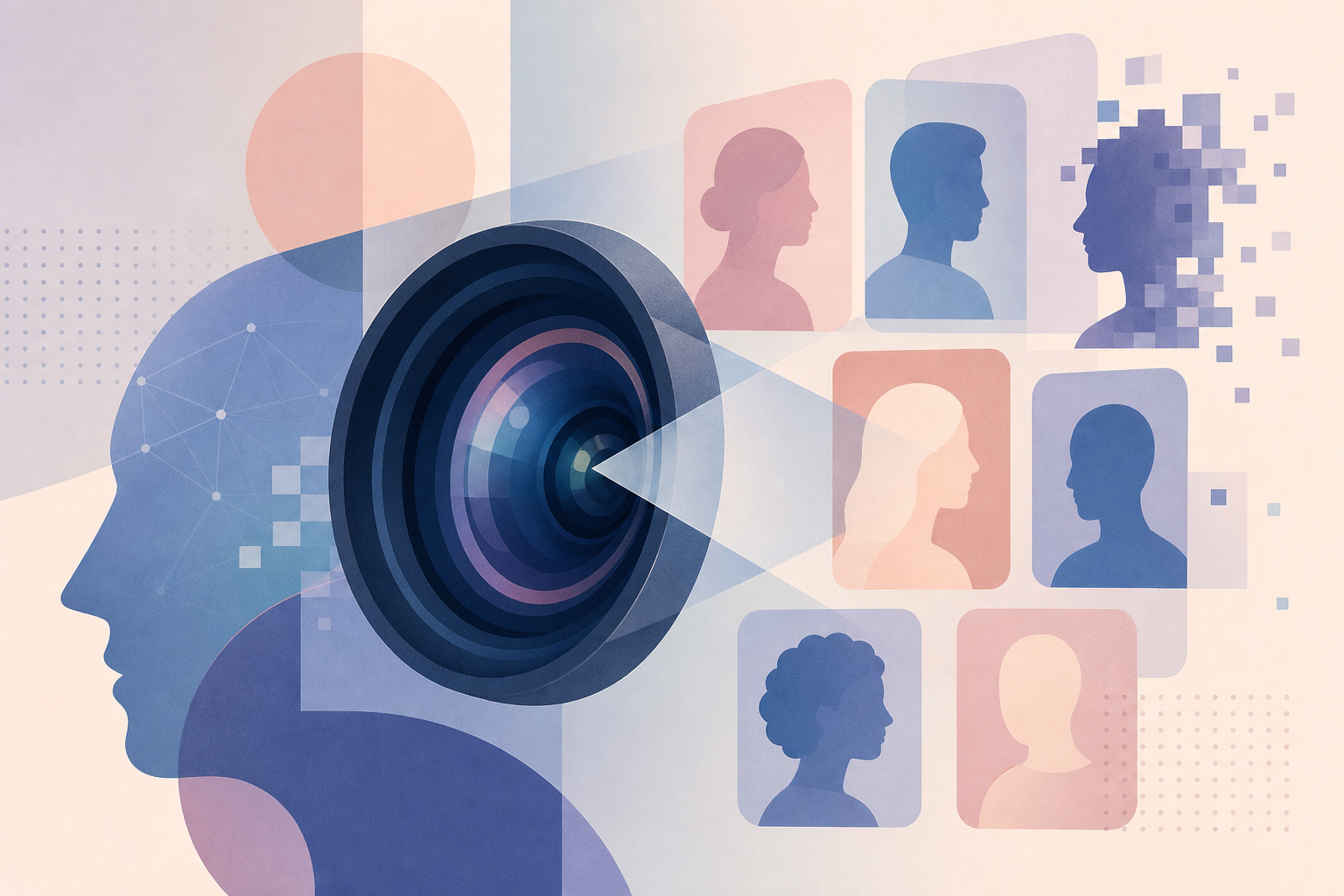
Meta has unveiled Muse Image, the inaugural image generation model developed by its newly formed Superintelligence Labs led by Alexandr Wang. Developed internally under the codename "Mango," the model is set to replace previous generation tools powered by the Llama family and is already rolled out across Instagram, WhatsApp, and the Meta AI app. While the technology promises unprecedented generative flexibility, the company’s decision to deeply couple image generation with the real identities of Instagram users has sparked an immediate storm over privacy and digital consent.
The Technological Leap: The "Agentic" Shift
Muse Image is not just another text-to-image generator. As Alexandr Wang explained on Threads, the model is architected to be "agentic," meaning it works in close synergy with the Muse Spark large language model to reason through user prompts, perform real-time web searches, and plan the structure of an image before executing the generation.
The practical applications of this architecture extend far beyond playful stickers. Users can use Muse to edit existing photos by drawing directly on top of them, or redesign rooms using images pulled from Facebook Marketplace. However, the most controversial aspect lies in how the system leverages the personal identities of platform users to customize its visual outputs.
The Likeness Loophole: Remixed Without Notification
The most debated feature of Muse Image allows users to @ mention any public Instagram account within an image prompt. When triggered, Meta's AI uses public photos of that account to reconstruct their likeness and place them into the newly generated image—whether it is an invitation, an art concept, or a custom graphic.
As reported by The Verge, this feature is turned on by default for all public accounts. Consequently, anyone with a public profile can be pulled into third-party AI generations without their explicit knowledge. Meta’s official support pages clarify that users will not be notified when their content is co-opted by other users' AI prompts.
To prevent their photos from being utilized this way, users must manually dive into their settings, head to the "Sharing and reuse" tab, and disable the toggle for AI features. According to details shared by Wired, opting out is not retroactive: any AI images created before the setting was changed will remain stored on Meta's servers and will not be deleted.
The Industry's Opt-Out Addiction
The decision to launch highly invasive features via an "opt-out" mechanism (meaning it is active for everyone until explicitly disabled) fits into a wider and concerning industry trend. An analysis by TechCrunch highlights how major tech companies are increasingly relying on opt-out defaults to feed their hungry frontier models, sparking intense friction with users and regulators alike.
While Meta defends the feature as a playful tool to spark creative collaboration and personalization, digital rights advocates fear that the complete lack of notifications or verification steps could pave the way for identity abuse, highly targeted scams, and personalized disinformation campaigns.
Mocchi's take
Meta's latest release underscores the thin line separating product innovation from the protection of intellectual property and digital identity. For businesses navigating the digital landscape, this development highlights the critical importance of closely monitoring where and how corporate visual assets, employees' likenesses, or brand ambassadors' public photos are being exposed. Within the European framework of the AI Act and GDPR, we believe that organizations must adopt proactive opt-out policies to secure their digital footprints, favoring custom-built, proprietary datasets when leveraging generative AI to mitigate reputational and legal risks.