Software · 23 August 2026 · 4 min read
Beyond Pixels: Motorola and GrapheneOS Target 2027 for Ultra-Secure Flagships
In brief: A direct partnership between Motorola and the open-source GrapheneOS project will bring the privacy-focused operating system to non-Pixel devices for the first time in 2027. Powered by Qualcomm flagship silicon and positioned at the top of the price spectrum, these upcoming smartphones aim to meet surging demand for de-Googled, enterprise-ready mobile environments.
by Team Mocchi's
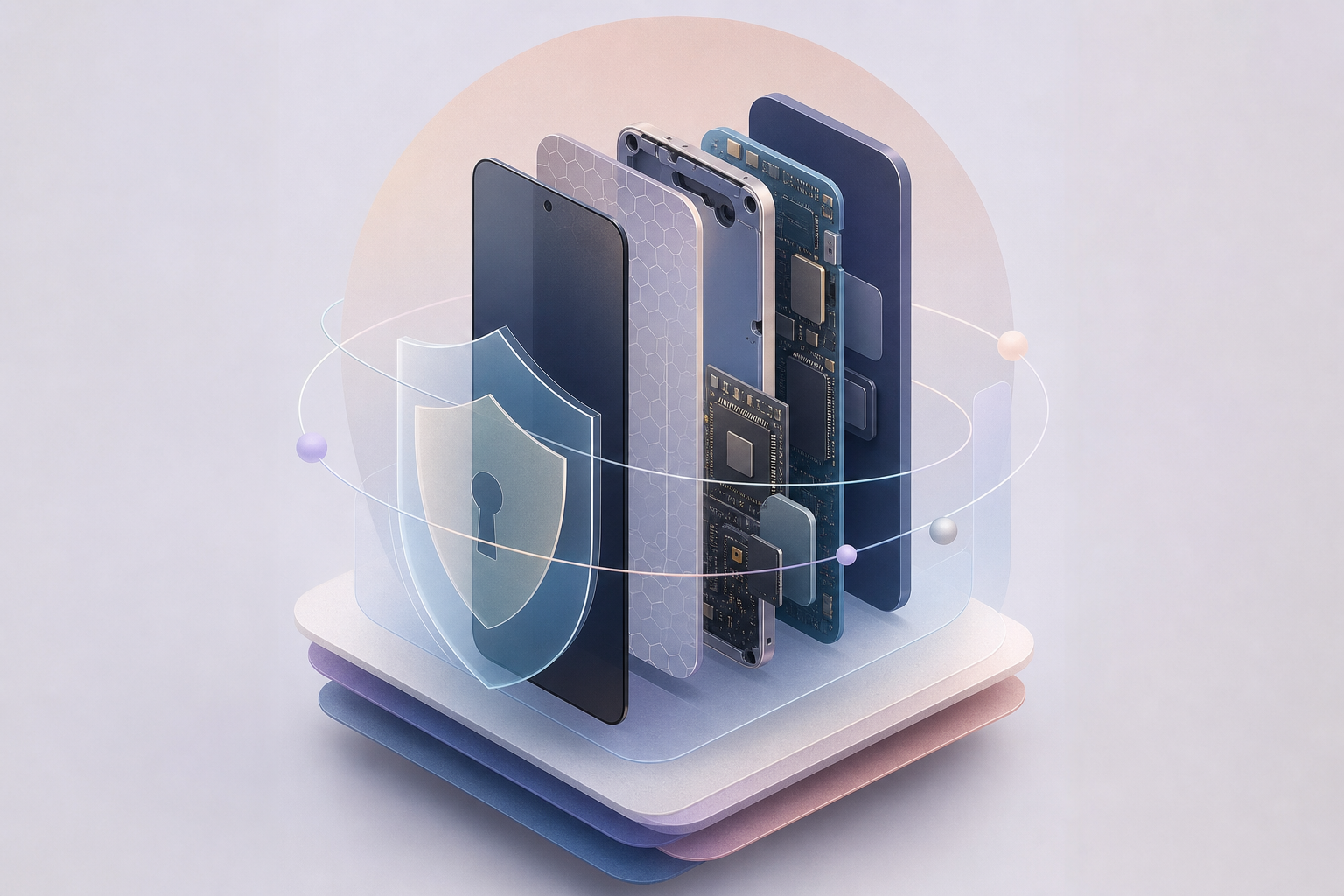
For years, privacy-conscious professionals looking for maximum endpoint security in the Android ecosystem have faced an ironic dilemma: purchasing Google-manufactured hardware simply to run a de-Googled operating system. GrapheneOS, the open-source Android distribution celebrated for its hardened memory allocation and granular network permissions, has long restricted official support to Google Pixel devices due to their strict hardware security baselines.
That limitation is finally set to end. Following an initial partnership announcement, the project maintainers have shared concrete roadmap details: the first Motorola smartphones with direct, tier-one GrapheneOS support will officially land in 2027.
Flagship hardware and high-end pricing
As reported by Ars Technica, the upcoming devices will not ship with GrapheneOS preinstalled, but will receive direct engineering backing from Motorola to ensure smooth deployment via the project's web-based USB installer.
The cost of entry will be decidedly high-end. GrapheneOS maintainers confirmed that expected pricing will surpass current Pixel flagships, which already sit between $900 and $1,300 across recent generations. This steep pricing structure stems not only from industry-wide component cost increases, but also from the likelihood that Motorola will use its foldable flagship lineup as the launch vehicle, matching the OEM's current hardware focus.
Firmware complexity and Qualcomm silicon
The fundamental barrier preventing GrapheneOS from expanding across the Android ecosystem has always been its exacting security requirements. The operating system depends on robust custom-key verified boot, advanced memory mitigations, and emergency duress wipe capabilities that require deep hardware integration.
While Google's Tensor architecture and Titan security chips met these criteria out of the box, Qualcomm's ecosystem only delivers equivalent security features and long-term firmware support on its top-tier Snapdragon 8-series processors. Mid-range chipsets, common in budget consumer lines, lack the requisite upstream support window, making them unsuitable for the long-term support lifecycle GrapheneOS guarantees.
The collaboration between a mainstream OEM like Motorola and an independent privacy project marks a significant shift: mainstream hardware vendors are beginning to recognize hardened, third-party operating systems as a legitimate market differentiator.
Mocchi's take
For European enterprises handling intellectual property, regulated communications, or sensitive operational data, expanding secure hardware options beyond a single vendor is a welcome development. Breaking the single-hardware dependency of de-Googled environments makes privacy-hardened deployments far more viable at scale. When developing custom software or enterprise mobile applications, designing with zero-trust sandboxing and strict permission boundaries in mind is rapidly moving from an edge-case practice to the baseline standard for secure mobile architecture.