IA · 21 June 2026 · 3 min read
The Transfer of the Year: Nobel Laureate John Jumper Leaves Google DeepMind for Anthropic
In brief: In one of the most high-profile talent acquisitions in recent years, John Jumper has announced his departure from Google DeepMind. The Chemistry Nobel laureate will join Anthropic, signaling a potential pivot for the company toward scientific AI applications and highlighting the fierce competition among top-tier artificial intelligence labs.
by Team Mocchi's
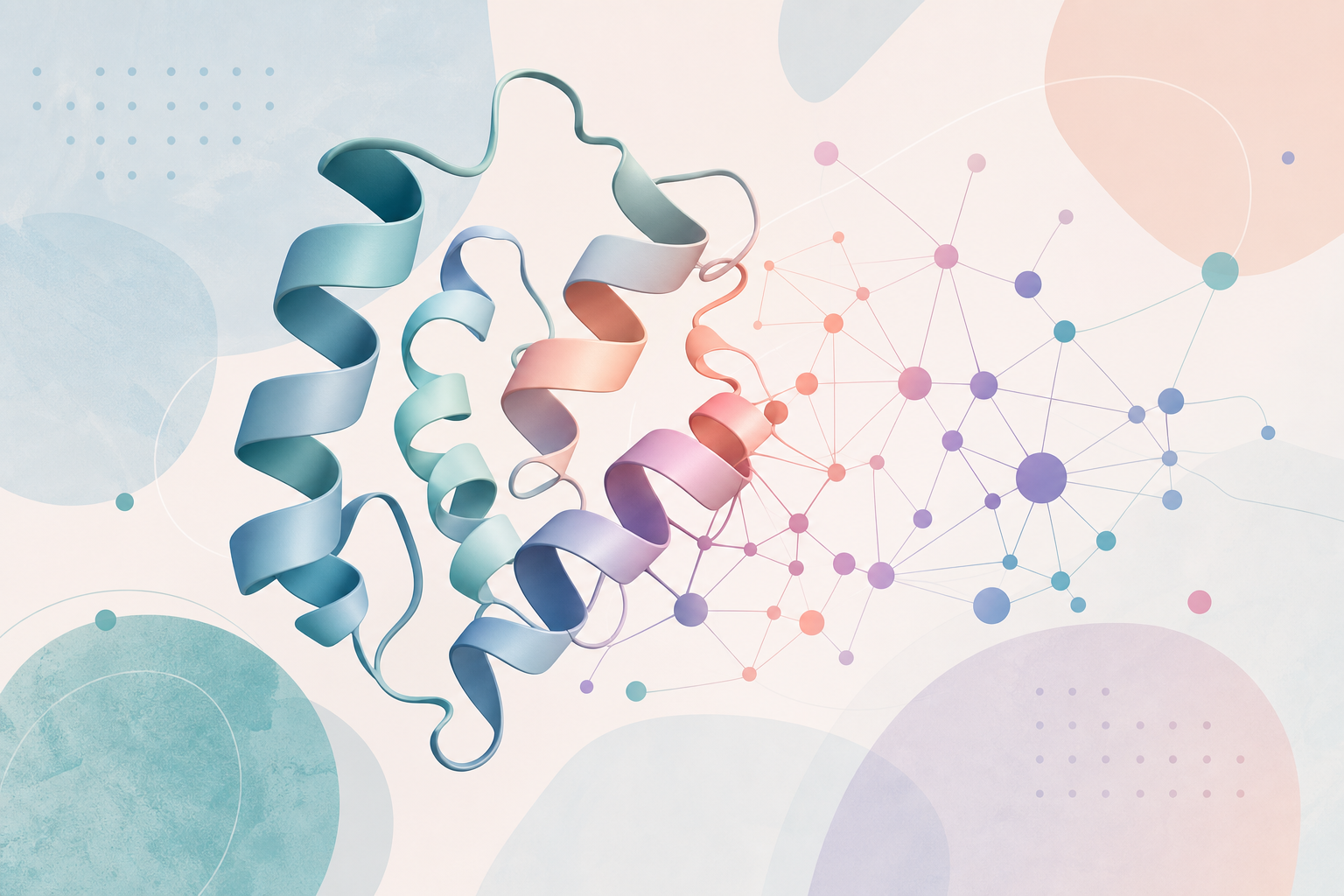
The Transfer of the Year: A Nobel Laureate in Computational Chemistry Moves to a Rival
The global landscape of artificial intelligence research has just witnessed one of the most significant talent acquisitions of the decade. John Jumper, the scientific mind behind the development of the historic protein-folding prediction system and recipient of the 2024 Nobel Prize in Chemistry, has announced his decision to leave Google's research division to join rival lab Anthropic.
After nearly nine years spent in the Mountain View laboratories, this move represents far more than a corporate roster change. It is a powerful geopolitical and industrial signal, highlighting how competition among frontier AI labs is expanding past the boundaries of natural language processing and pushing aggressively into the territory of applied science and computational biology.
From Molecular Biology to Frontier Models: Who Is John Jumper
John Jumper's contribution to modern science is monumental. Joining Google’s research division shortly after completing his doctoral studies, Jumper led the team that created a revolutionary tool in structural biology. Under his leadership, the software solved one of the most complex scientific challenges of the past fifty years: predicting the three-dimensional structure of proteins with atomic accuracy based solely on their amino acid sequence.
This breakthrough unlocked a deeper understanding of fundamental biological mechanisms, drastically accelerating medical research and global drug discovery efforts. The awarding of the 2024 Nobel Prize in Chemistry cemented Jumper and his team as absolute pioneers at the intersection of biology and advanced computing. During his final period at Google, the scientist was also involved in developing advanced automated programming tools, demonstrating his versatility in intelligent systems architecture.
The Reasons Behind the Departure and Anthropic's New Direction
The transition of a researcher of this caliber raises crucial questions about the future trajectory of both organizations. Anthropic, known primarily for its Claude family of large language models and a strong philosophical and technical focus on AI alignment and safety, is taking a decisive step toward broadening its research footprint.
The arrival of a world-renowned computational molecular biology specialist suggests that the San Francisco-based lab is looking far beyond basic text generation or enterprise office productivity. The long-term objective appears to be the development of foundation models capable of understanding the chemical and biological complexity of physical matter. Whichever entity controls models that can simulate biological processes and make autonomous scientific discoveries will command the multi-billion-dollar pharmaceutical market of tomorrow—an arena where execution speed and code precision represent the ultimate competitive advantages.
The Great Silicon Valley Shuffle
Jumper's departure is part of a broader trend of high-profile mobility and restructuring within the research departments of tech conglomerates. Almost concurrently with this announcement, news emerged of another prominent AI pioneer leaving Google’s ranks to join OpenAI, following a previous venture in conversational agent technology.
These simultaneous departures point to a growing restlessness among some of the sector's most brilliant minds when dealing with the complex, sometimes slower organizational hierarchies of mega-corporations. Nimble, highly focused laboratories continue to exert a magnetic pull, even amidst regulatory hurdles and recent government scrutiny regarding the safety of top-tier model releases. For high-growth labs, having figures on board who have already demonstrated an ability to turn abstract academic research into Nobel-winning discoveries provides irreplaceable execution capability and scientific credibility.
Implications for the Scientific AI Industry
Losing a key figure represents a significant blow to Google’s historical dominance in applied scientific research, a domain where the company had built an seemingly insurmountable competitive advantage. At the same time, for enterprise clients and partners looking to artificial intelligence as an engine of real-world innovation, this reshuffle proves that the sector is far from consolidated.
The technological battle of the coming years will not be fought solely on chatbot efficiency or reducing token costs. Instead, it will center on the ability to apply these neural networks to solve complex physical problems, from materials science to therapeutic design. With the arrival of a scientific mind like Jumper at Anthropic, the race for global scientific supremacy officially enters a highly dynamic and unwritten chapter.