IA · 23 June 2026 · 3 min read
"Patch the Planet": Securing Open-Source Infrastructure with Artificial Intelligence
In brief: OpenAI has unveiled "Patch the Planet," a collaborative initiative with cybersecurity leaders to identify and resolve bugs in open-source projects for free. The program combines human expertise with specialized AI models, including an updated version of GPT-5.5-Cyber and the Codex Security scanner, to relieve volunteer maintainers overwhelmed by automated vulnerability reports.
by Team Mocchi's
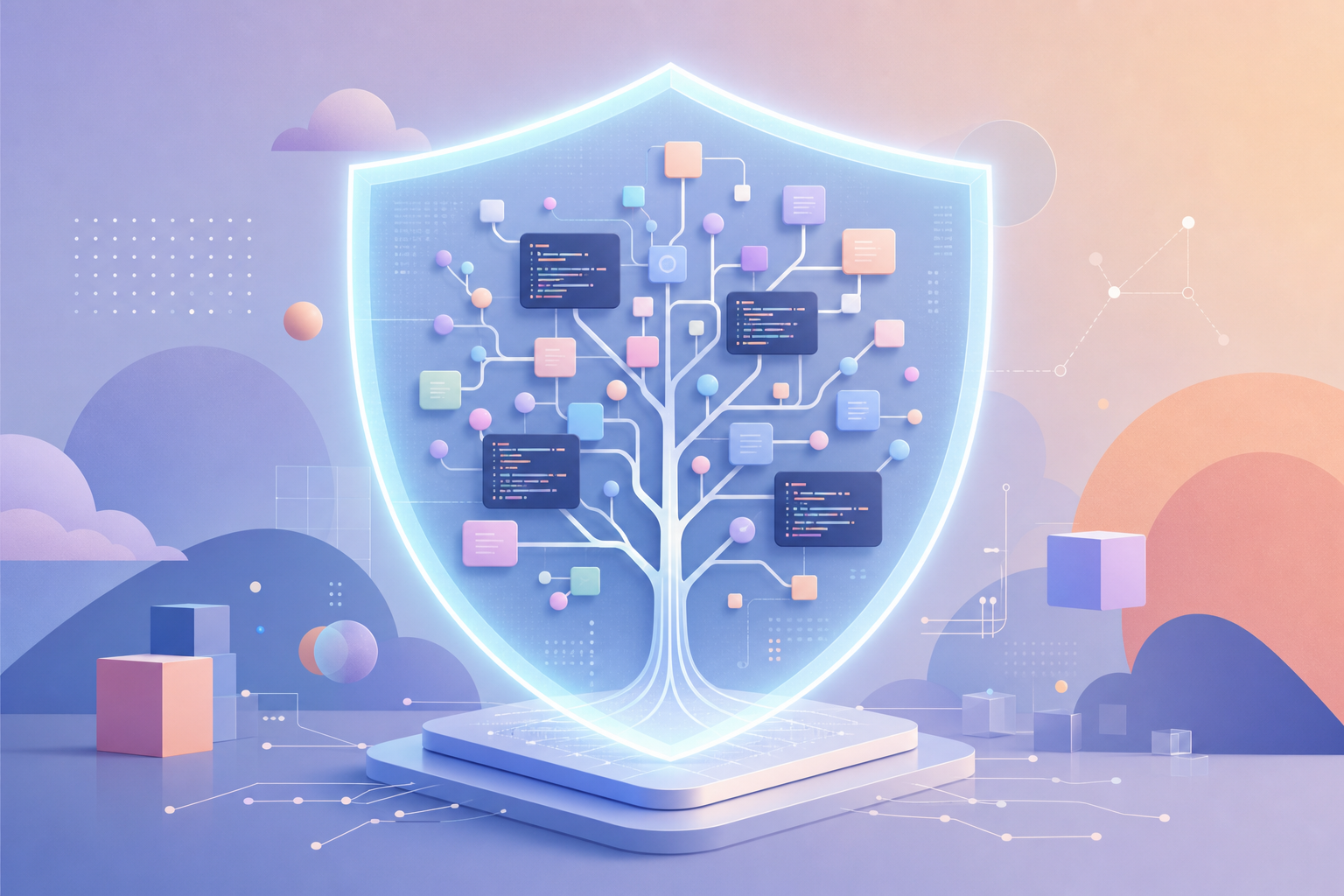
A Coordinated Shield for Modern Software Foundations
The open-source software ecosystem represents the fundamental backbone of the global technology infrastructure, powering everything from massive enterprise applications to daily cloud services. However, maintaining the security of these shared projects is often left to the volunteer efforts of individual developers or small, decentralized teams operating with extremely limited time, funding, and resources.
In recent months, the rapid proliferation of automated, AI-driven vulnerability scanners has dramatically altered this landscape. While automation makes it easier to theoretically identify security flaws, it has also unleashed an unprecedented wave of automated bug reports. Many of these submissions are redundant, low-quality, or entirely false. This influx of unfiltered data has overwhelmed open-source project maintainers, forcing them to spend valuable hours triaging low-value reports instead of focusing on actual software development and core improvements.
To address this mounting challenge and restore balance to the ecosystem, a new cooperative initiative called "Patch the Planet" has been unveiled. Formed through a partnership with leading cybersecurity organizations—including Trail of Bits, HackerOne, and Calif—the program aims to actively assist open-source communities in identifying, verifying, and fixing security vulnerabilities.
Expert Human Oversight Paired with Specialized AI
At the core of the initiative is a commitment to provide hands-on, free security consulting and engineering support directly to project maintainers. Rather than simply dumping automated alerts onto developers for them to analyze independently, dedicated security engineers will work alongside the open-source communities. Their role involves reviewing codebase structures, validating incoming bug reports, and writing and testing the necessary patches to fix identified vulnerabilities.
To kickstart the initiative, partner security firms committed a significant portion of their engineering workforces to an intensive five-day sprint. During this period, dozens of engineers collaborated directly with the maintainers of the initial pilot projects to resolve urgent security flaws and establish robust development pipelines.
This human expertise is heavily augmented by specialized, next-generation digital tools. OpenAI has introduced an updated version of GPT-5.5-Cyber, a model specifically trained and optimized for cybersecurity tasks and secure code analysis. This specialized model is being made available to select institutional and government partners under trusted-access frameworks. Additionally, the Codex Security scanner is being released as an application plug-in, making it easier for developers to integrate automated code analysis directly into their daily programming environments.
Subsidies and Global Scale for Code Security
The initiative is designed to operate at an internet-scale level and has already onboarded more than thirty major open-source projects, with dozens of additional applications currently being evaluated. The computational and financial resources dedicated to the project are substantial. To lower the barrier to entry, the use of the Codex Security scanner has been subsidized for both public and private repositories, covering a processing volume of approximately 20 trillion tokens.
The long-term goal of the project extends beyond addressing immediate vulnerabilities. It aims to build sustainable, reusable workflows that enable open-source teams to seamlessly incorporate AI-assisted security practices into their standard release cycles. By lowering the cognitive and operational costs of maintaining secure code, the program helps volunteer teams keep pace with modern software demands without burning out.
Staying Ahead of Offensive AI Capabilities
The debut of "Patch the Planet" comes amid growing industry concerns over the offensive capabilities of advanced AI models. As automated bug-hunting tools become increasingly sophisticated, the window of time between the discovery of a security vulnerability and its active exploitation by malicious actors is shrinking rapidly.
This initiative represents a proactive effort to leverage artificial intelligence for defensive purposes, ensuring that defensive tools evolve faster than offensive ones. By systematically strengthening the security of open-source components, the program ultimately enhances the resilience of the entire commercial software supply chain, protecting enterprise operations worldwide and contributing to a safer global digital infrastructure.