Tech · 15 July 2026 · 3 min read
Beyond the Screen: OpenAI Bets on a Mobile, Self-Moving Speaker to Bring ChatGPT Into the Physical World
In brief: According to recent reports, OpenAI is developing a screenless, mobile smart speaker scheduled for a 2027 release as part of a wider five-device lineup. Designed in collaboration with Jony Ive, the device will utilize cameras, sensors, and self-moving mechanical parts to interact 'humanly' with users. This move escalates OpenAI's hardware ambitions amid an intense trade secret lawsuit filed by Apple.
by Team Mocchi's
OpenAI’s Physical Gamble
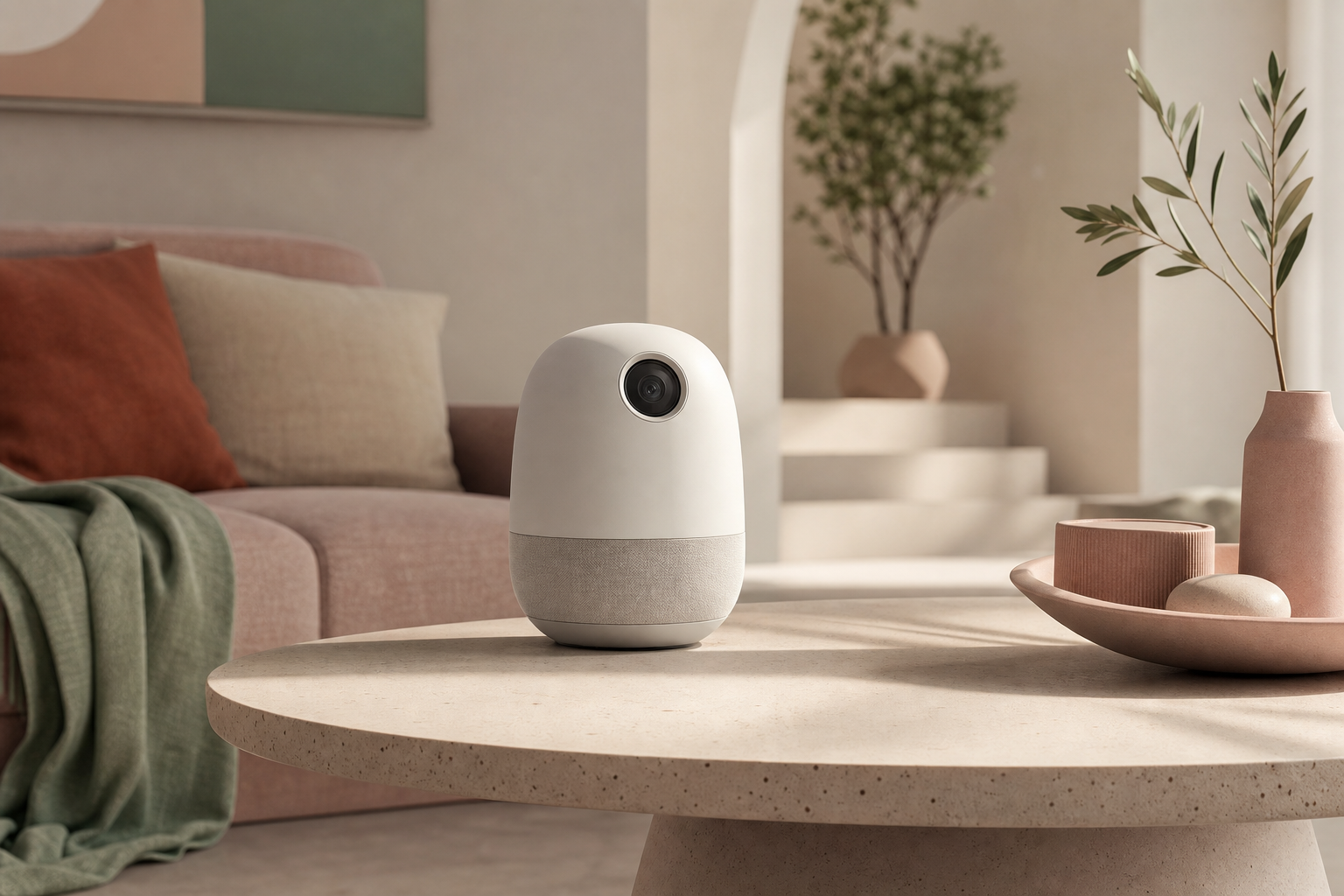
While the generative artificial intelligence race has so far played out mostly behind the screens of computers and smartphones, OpenAI is preparing to make a major leap into the physical world. According to reports from TechCrunch, the Sam Altman-led startup is actively developing its first major hardware device: a screenless, mobile smart speaker designed to serve as a genuine "humanlike AI companion" for the home.
The ambitious project, slated for a 2027 market release, is reportedly part of a broader hardware roadmap encompassing roughly five different devices. To bring this physical vision to life, OpenAI is collaborating with legendary former Apple designer Jony Ive, following its massive $6.5 billion acquisition of his design firm, io Products.
Movement, Sensors, and Voice Integration
Unlike traditional smart speakers, OpenAI’s device aims to redefine the boundaries of human-machine interaction. As highlighted by The Verge, the lack of a screen will be compensated for by integrated cameras and advanced sensors designed to "understand" and scan the surrounding environment, recognizing objects, obstacles, and people nearby.
However, the most striking detail lies in the inclusion of mechanical parts capable of moving on their own. Rather than sitting static on a shelf, the speaker will possess mobility, allowing it to navigate spaces autonomously to establish a more natural, empathetic connection with users. Under the hood, the hardware will leverage the ultra-fluid, recently released "GPT-Live" voice model. Powered by a rechargeable battery, the speaker is designed to be easily carried from room to room. To provide highly personalized service, the robotic companion will also have deep integration with the user’s digital life, including access to emails and messages, allowing it to proactively learn patterns and anticipate daily needs.
The Cold War with Cupertino Over Talent and Secrets
OpenAI's foray into consumer hardware is not happening in a vacuum, nor is it free of friction. The engineering team behind the device is heavily populated by former Apple engineers who previously helped build iconic products like the iPhone and Mac.
This talent drain has recently ignited a high-stakes legal feud. Apple filed a lawsuit against OpenAI, alleging that the AI company systematically stole hardware-related trade secrets. OpenAI has pushed back, stating it is "not aware of any evidence that this complaint has merit." The courtroom battle underscores how the intersection of physical industrial design and frontier AI has become the premier battleground between Silicon Valley's legacy hardware giants and the fast-moving pioneers of the AI era.
Mocchi's take
From our perspective, the transition of large language models from the cloud into dedicated physical devices represents an inevitable phase in unlocking the true power of AI agents. For software integrators and businesses, this shift opens up massive opportunities to build applications where real-time physical context—captured by on-board cameras and sensors—drives automated physical tasks or ambient workflows. However, deploying a self-moving companion equipped with cameras and linked to confidential emails will inevitably raise severe data sovereignty and privacy concerns, hurdles that enterprises must carefully navigate before integrating such physical agents into their operational spaces.