Software · 21 August 2026 · 4 min read
Slack Launches Slack Code: Collaborative Vibe-Coding Channels Powered by AI Agents
In brief: Slack has announced Slack Code, a new capability that brings dedicated collaborative spaces for vibe-coding directly into team channels alongside AI agents. Teams can summon models such as Anthropic's Claude Code or Cognition's Devin into focused channels featuring diff viewers, live previews, and automated archiving upon task completion.
by Team Mocchi's
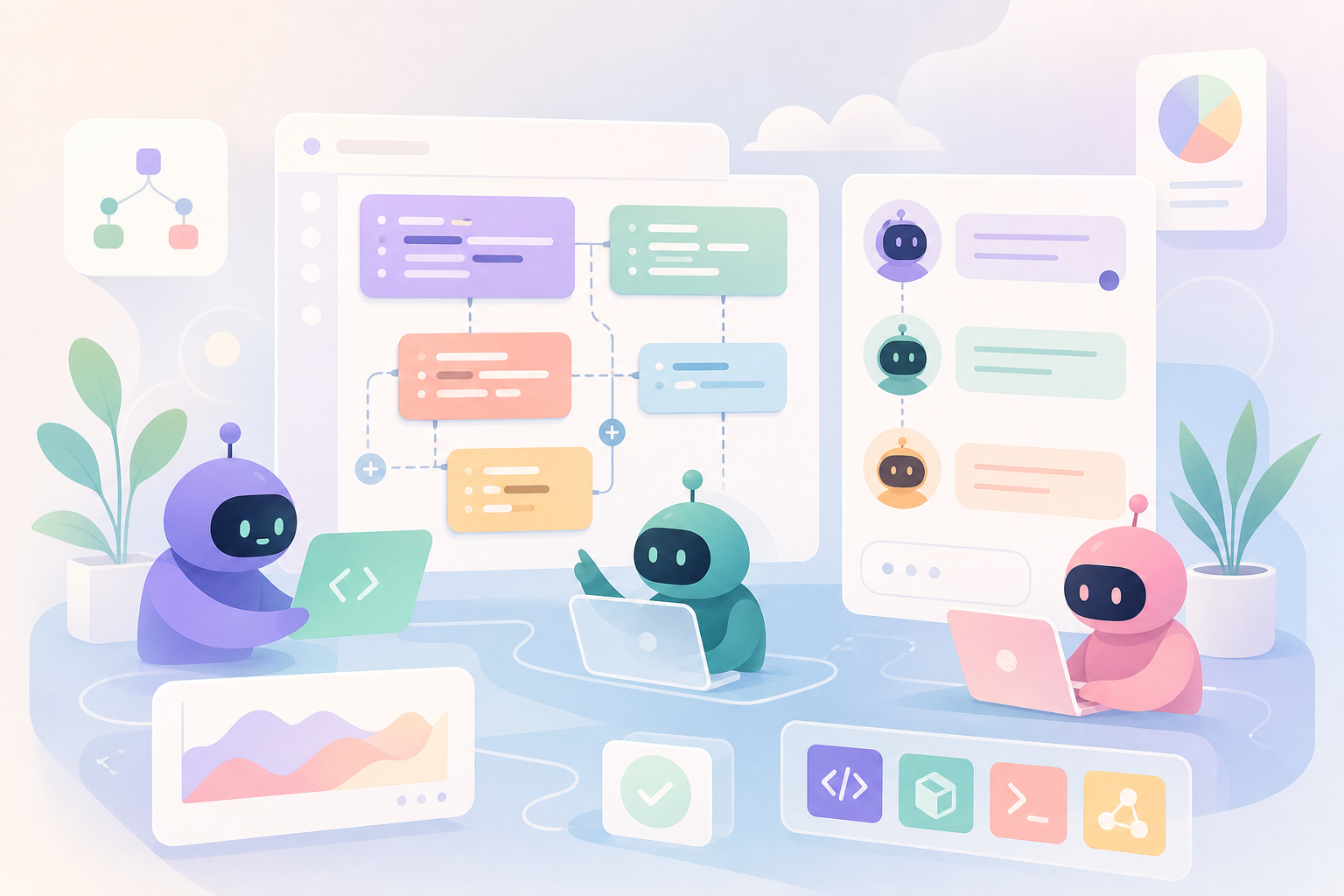
The practice of vibe-coding — orchestrating software development through natural language prompts directed at generative models — is taking a definitive leap into mainstream enterprise workflows. Slack has announced the rollout of Slack Code, a feature designed to turn the workplace messaging hub into a shared development canvas where engineers, product managers, and autonomous agents collaborate side by side.
The initiative addresses the persistent friction of modern software teams, who frequently juggle fragmented workflows split across integrated development environments (IDEs), terminal sessions, and disconnected chat windows, by anchoring agentic coding inside standard team communication channels.
Dedicated Channels for Human-Agent Pair Programming
As reported by The Verge, Slack Code operates around dedicated, project-specific channels spun up on demand. Whenever a team needs to implement a feature, patch a software bug, or adjust a web page, users can simply tag a supported coding agent directly within a conversation. The agent then initializes a focused code channel to manage the assignment.
Inside these designated spaces, all team members maintain complete visibility over prompt chains, code iterations, and decision-making logic. Slack Code incorporates specialized user tabs, visual diff inspection tools to audit line-by-line modifications, and real-time HTML preview environments to inspect render outputs before shipping. Crucially, changes still require human review and explicit sign-off before being merged or deployed.
Open Ecosystem, Ephemeral Workspaces, and Auditability
A key architectural aspect of Slack Code is how it handles workspace hygiene and compliance. Once a project or task is completed, the dedicated channel automatically archives itself while preserving a comprehensive audit log for governance and institutional memory.
Available across all Slack subscription tiers, the system connects directly with the platform's app marketplace. Launch partners include prominent development agents such as Anthropic’s Claude Code, Cognition’s Devin, Vercel Agent, and GitHub Copilot, all preconfigured to operate as collaborative digital teammates within company workspaces.
Mocchi's take
Embedding autonomous coding agents directly into mainstream workplace communications marks a significant shift for engineering organizations. Moving vibe-coding out of isolated IDE silos into shared team channels tackles one of generative AI’s biggest enterprise challenges: the lack of transparency around individual prompt sessions and fragmented context. For software teams, the real operational test will not be merely deploying these agentic assistants, but establishing robust peer-review protocols and architectural checkpoints to ensure that rapid code generation does not come at the expense of long-term maintainability and system security.