IA · 21 June 2026 · 3 min read
Unveiling the Sounds Behind the Models: Millions of Copyrighted Songs Exposed in AI Training Datasets
In brief: An independent investigation has revealed four massive training datasets containing over 21 million music tracks, many of which are copyrighted and belong to world-renowned artists. These archives, distributed primarily as lists of links to streaming platforms and downloaded by bypassing terms of service, open a new chapter in the legal and ethical battle over intellectual property in the era of generative AI.
by Team Mocchi's
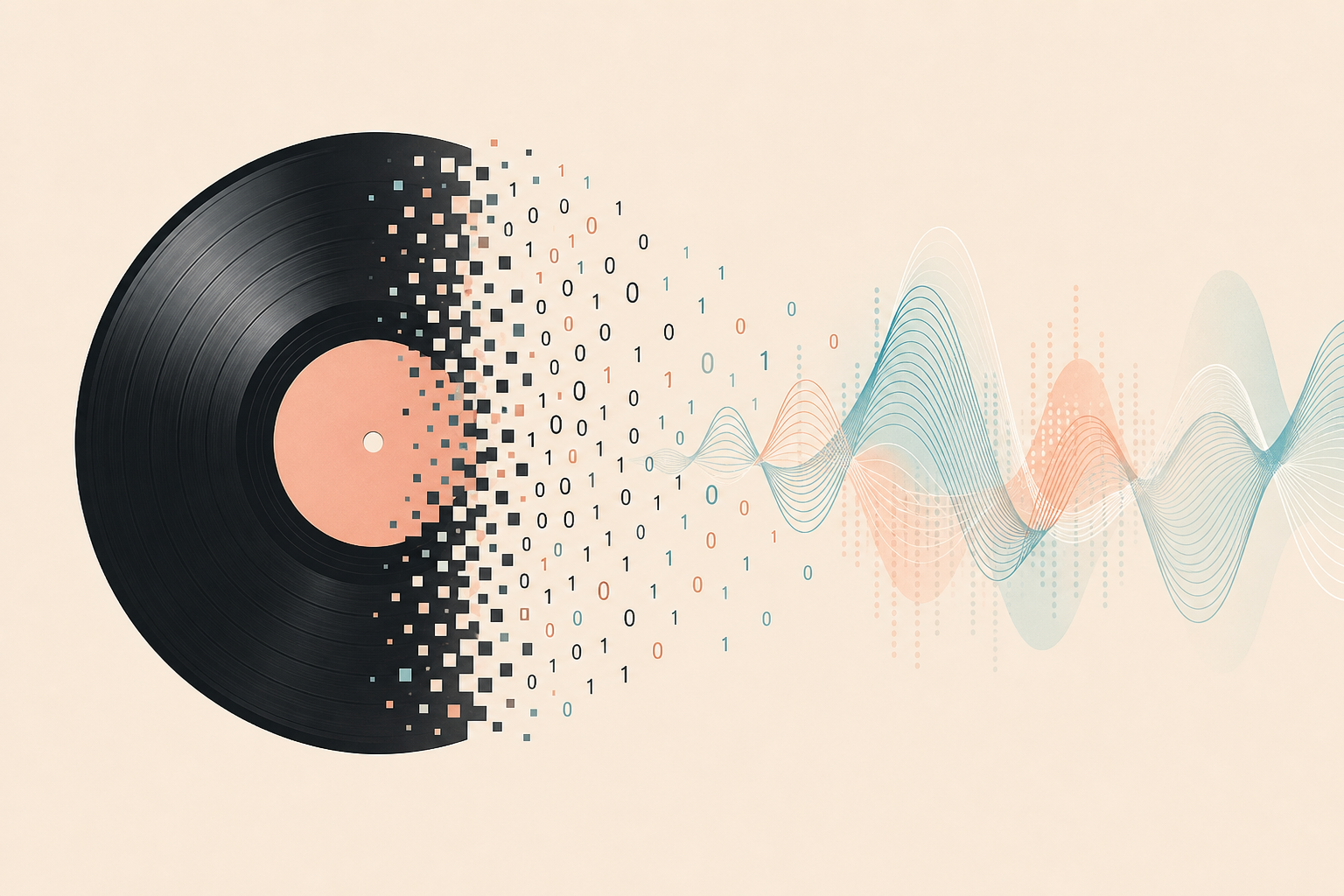
The Copyright Shadow Over Audio AI Models
The exponential growth of artificial intelligence in music and audio generation has brought immense creative and commercial possibilities. However, behind the seamless generation of synthetic sounds lies a persistent and controversial question: the origin and legitimacy of the training data. For years, the composition of these massive datasets has remained a corporate secret, buried deep within public servers or hidden behind proprietary research walls.
A detailed, independent investigation has recently shed light on this digital "black box," uncovering four colossal music datasets used to train generative models. The analysis revealed that millions of copyrighted tracks, created by world-renowned artists, are embedded within these freely downloadable archives—some of which have already been utilized in research by leading technology players. This development raises critical questions regarding the ethical and legal viability of current software development practices in artificial intelligence.
Mapping the Scale of "Invisible" Audio Data
The four discovered datasets vary in size but represent an unprecedented scale of compiled creative work. The two largest archives are massive, containing approximately 12 million and 9 million audio tracks, respectively. The other two databases, while smaller, still house over 100,000 songs each. Together, they form an extensive library spanning decades of musical history, countless genres, and global artists.
An examination of the tracks contained in these packages reveals the presence of highly influential figures in the music industry. Contemporary pop icons, classic rock legends, electronic music pioneers, and historic hip-hop groups are systematically indexed within these databases. In the vast majority of cases, these artists never granted permission or license for their intellectual property to be utilized in training algorithmic models.
This is far from a theoretical concern. Research papers published by major tech corporations and specialized audio startups confirm that these specific datasets have been actively used to train and refine commercial and academic AI models. Some of the raw sources used to compile these archives, such as non-commercial databases intended solely for personal listening, legally require commercial licenses that were bypassed during the training phase.
Scrapers and System Violations: How Datasets Are Built
The technical architecture of these datasets reveals how developers navigate copyright limitations and platform restrictions. To avoid direct legal liabilities and hosting costs, the creators of these datasets rarely distribute the raw audio files directly. Instead, they publish highly structured metadata lists containing web links pointing directly to tracks hosted on prominent streaming platforms, such as YouTube and Spotify.
To convert these lists into usable assets for model training, developers employ automated web-scraping software. These tools perform several key functions:
- Automating bulk downloads of audio streams from external servers.
- Bypassing security barriers, such as user login prompts and verification screens.
- Removing advertisements and monetization mechanisms, depriving artists and platforms of the royalties and subscription views they would normally generate.
These procedures directly violate the terms of service of the streaming platforms involved. This technical workaround highlights a widening gap between the legal rules governing web platforms and the pragmatic demands of training generative machine learning models.
The Push for Data Transparency in the AI Era
The discovery and subsequent mapping of these databases mark a turning point for the software industry and technology leaders. The creation of public, searchable index tools now allows artists, record labels, and publishers to directly verify whether their intellectual property has been incorporated into machine learning models without authorization.
For enterprises developing or implementing AI solutions, this development underscores the growing importance of securing transparent data supply chains. Building on top of models trained on unauthorized scraped data exposes businesses to significant regulatory, legal, and reputational risks. As compliance laws tighten globally, the industry must pivot toward licensing agreements, synthetic data generation, and verified open-source archives, turning ethical data practices from a regulatory burden into a key competitive advantage.