IA · 23 November 2026 · 4 min read
Walmart Opens the Door to AI Agents: Agent Gateway and Meta Muse Bring Autonomous Shopping to Black Friday
In brief: Bucking the trend of e-commerce giants walling off their storefronts from autonomous bots, Walmart has deployed its Agent Gateway infrastructure. The system allows Meta's Muse conversational agent to curate products and execute purchases on behalf of shoppers ahead of Black Friday, introducing dedicated agent profiles equipped with spending limits and privacy safeguards.
by Team Mocchi's
The Retail Giant’s Agentic Shift
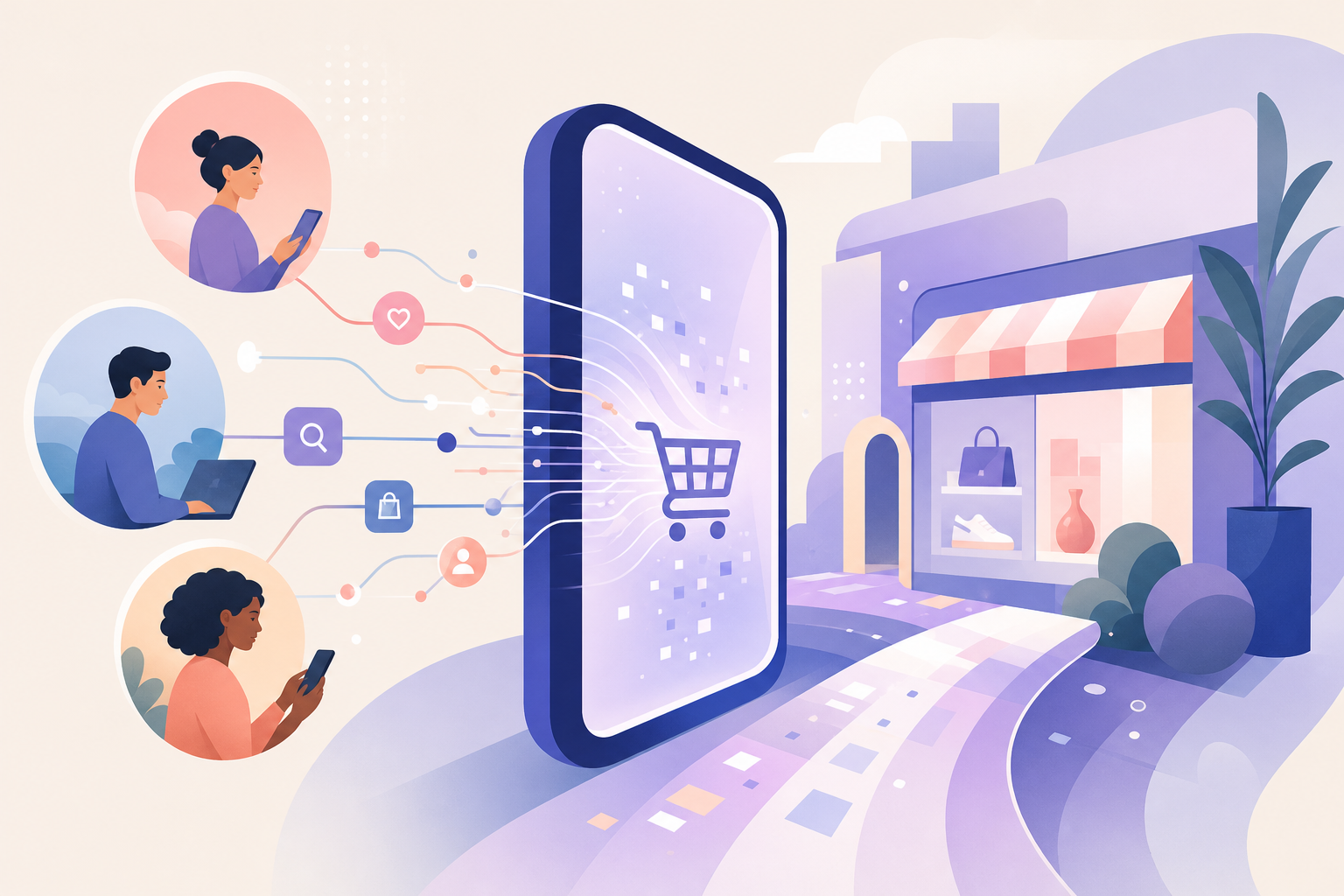
Ahead of the high-stakes Black Friday shopping week, US retail powerhouse Walmart has shattered the conventional boundary between major e-commerce platforms and artificial intelligence. The retail corporation has deployed Agent Gateway, a purpose-built software architecture engineered to let AI agents browse its catalog, assemble shopping baskets, and finalize transactions on behalf of human customers.
The initial digital assistant cleared to operate on this dedicated track is Meta Muse, Menlo Park's flagship conversational model. As reported by The Verge, consumers can now instruct the agent to track down holiday promotions and execute orders directly through chat conversations. Rather than merely supplying links or summarizing specs, the agent carries out end-to-end commerce directly through Walmart’s backend.
Inside Agent Gateway and Dedicated Bot Profiles
This integration deliberately eschews brittle, unauthorized browser scraping or brittle user interface mimicry—practices long opposed and blocked by digital retailers. Instead, Walmart has introduced a structured authorization framework dubbed Agent Profiles.
The onboarding procedure requires customers to link the agent to their existing Walmart account, enforcing explicit security perimeters from the start:
- Enforceable budget ceilings: Before delegating purchasing power to Muse, shoppers configure strict spending caps within which the bot may transact autonomously;
- Data segregation: The gateway serves item catalog data and inventory status without exposing the user's historical purchase records to Meta;
- Seamless checkout under standard policies: Purchases rely on stored payment methods already attached to the Walmart profile, honoring standard web pricing, customer support guarantees, and return policies.
The end-user experience takes place entirely inside the chat stream: a user instructs Muse to locate a discounted television, the assistant selects the best option meeting the criteria, and completes checkout without requiring the user to navigate the merchant's mobile app or website.
The Antithesis to Amazon and eBay’s Walled Gardens
Walmart’s decision is particularly striking when measured against the defensive perimeter established by its direct competitors. In recent weeks, marketplace heavyweights such as Amazon and eBay—alongside travel services like United Airlines—have tightened their bot mitigations to lock out autonomous AI agents.
Competitors fear disintermediation, the erosion of sponsored search ad revenue, and infrastructural strain caused by uncoordinated bot requests. Walmart has opted for managed enablement: by building an official ingress route with controlled APIs, clear transaction boundaries, and rate limits, the company captures agent-driven demand while retaining direct custody of the transaction and customer relationship.
Walmart also confirmed that integration with Meta Muse is merely a baseline milestone. Agent Gateway is built to remain platform-agnostic, with compatibility planned for additional third-party AI assistants and specialized shopping tools in subsequent releases.
Mocchi's take
Walmart's deployment marks an inflection point: the industry is transitioning from reactive anti-bot barricades to structured machine-to-machine commerce interfaces. For software teams and enterprise merchants across Italy and Europe, the implications are evident. Barricading digital storefronts against autonomous agents risks cutting off an emerging segment of demand as shoppers increasingly entrust tasks to AI assistants. The engineering priority is shifting away from blunt scraping blocks and toward developing robust API boundaries, fine-grained delegated authorization, and transactional spending controls that securely accommodate third-party software agents.